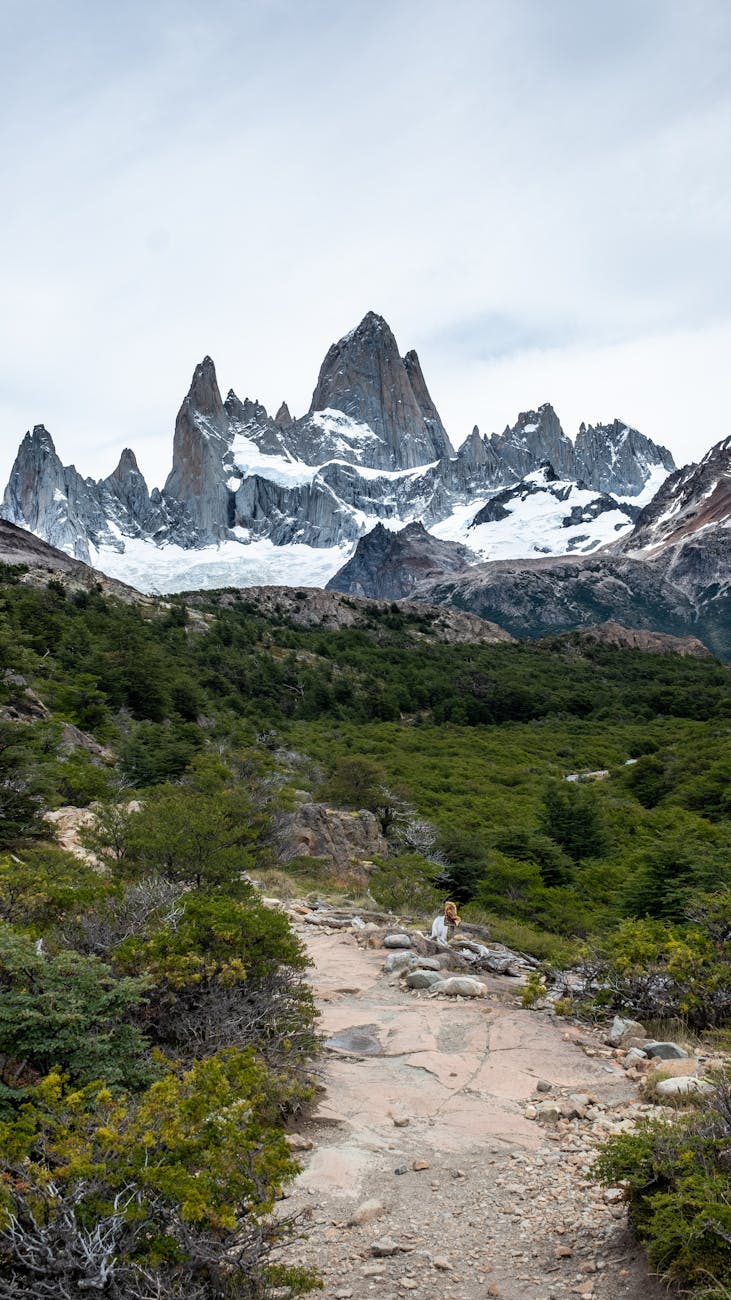
I LOVE planning trips! It is truly my passion :). But I have to admit that Patagonia intimidated me at first. With the complexities of flights, buses, refugio bookings, and border crossings between Chile and Argentina, it just seemed like so much. I even considered joining a group tour just to have someone else take care of it all.
But I am so happy to tell you that planning a trip to Patagonia is 100% doable on your own, and I am so glad I pushed past the hesitation. I successfully planned a full Patagonia itinerary independently, and it turned out to be one of the most rewarding trips. I just needed to set my mind to it and commit to the long research hours (or days, weeks, and months!).
So let me walk you step-by-step through how to plan your own trip to Patagonia. And if you decide you still would rather not handle the intense research, I am more than happy to design a custom itinerary for you! Just click the link here or send me an email.
Want my exact Patagonia itinerary?
Email me at windowseatsonly@gmail.com and I’ll share the day-by-day plan I followed, including where I stayed, how I got around, and hiking logistics.
1. Decide You Are Going To Patagonia!
Yes, I am starting from square one in planning your trip to Patagonia! I promised you a complete guide, so here we go. Now, if you are reading this blog, this box is probably already checked. But if you are still teetering on the edge…keep reading to be convinced! Patagonia is worth every ounce of effort!
2. Decide On Your Must-Do Activities
This is a crucial step because Patagonia is huge, spanning both Chile and Argentina, and you will not be able to do everything in one trip. So ask yourself:
- Do you want to visit both Chilean and Argentinian Patagonia, or focus on one?
- Do you want to explore Torres del Paine?
- Day Hikes?
- The W-Trek?
- The O-Trek
- Are you excited about day hikes like Laguna de los Tres in El Chaltén?
- Do you want to see glaciers up close, like Perito Moreno in El Calafate?
- Do you want a few “easy days” for wildlife, viewpoints, or relaxing?
Narrowing down your priorities will shape everything else, like route, budget, transportation, and timing.
3. Plan Out Your Ideal Route And Timing
Once your priorities are set, draft your ideal route. One of the most common itineraries (and the one I just did) that hits the major highlights in both Chile and Argentina looks like this:
- Santiago → Puerto Natales
- Puerto Natales → Torres Del Paine → Puerto Natales (W-Trek)
- Puerto Natales → El Calafate (Perito Moreno Glacier)
- El Calafate → El Chaltén (Laguna de los Tres Hike)
- El Calafate → Buenos Aires
Timing matters here, too. The availability of campsites, refugios, and buses often determines what is possible (which we will find out in the next steps), so be flexible.
A few tips while planning your route:
- Be flexible. Campsite and shuttle availability can dictate what is possible.
- Leave buffer days. The weather in Patagonia is notoriously unpredictable.
- Avoid super-tight connections. Patagonia is not a place where your Plan A is guaranteed.
If you have at least 10 days, this route is perfect. If you have less time, consider picking either Chile or Argentina.
4. Book Campsites/Accommodations
This is one of the trickiest logistics, especially for the W-Trek in Torres del Paine, because refugios/campsites fill up months in advance.
Planning on going on the W-Trek? I break this entire process down step-by-step in my detailed W-Trek planning guide post.
Here is a summary of how I did it:
- I used Torres Hike to check availability across different campsites and refugios.
- Once I knew what was open, I booked directly through the refugios’ websites.
If you are not doing multi-day treks, accommodations in Puerto Natales, El Calafate, and El Chaltén are much easier to book. But, still do not wait too long, especially in high season (December–February).
I used Booking.com for all my Patagonia accommodations (makes comparing and managing reservations SO simple). If you book through my link, I may earn a small commission at no extra cost to you.
5. Book Transportation
This is the part that intimidated me the most. Patagonia requires a mix of flights, buses, and even boats, but it is manageable if you break it down.
Here is what you will likely need if you are doing both Chile and Argentina with the W-Trek:
- International flights: To Santiago (Chile) and from Buenos Aires (Argentina)
- Flight: Santiago → Puerto Natales (gateway to Torres del Paine)
- Bus: Puerto Natales ↔ Torres del Paine
- Boat: Paine Grande → Pudeto (if doing W-Trek)
- Bus: Puerto Natales → El Calafate
- Bus: El Calafate ↔ El Chaltén
- Flight: El Calafate → Buenos Aires
It is A LOT of moving pieces, but once you map them out, it all comes together.
Pro Tip: Print or screenshot every bus, boat, and park reservation. You will have so many confirmations that having them handy (and not buried in your email) makes everything way less stressful, especially when cell service is spotty.
6. Prepare For Patagonia’s Weather And Pack Strategically
Patagonia’s weather has one personality trait: unpredictability! You can experience all four seasons in a single hour. Make sure to pack smart so you can be prepared.
Here is an example of a Patagonia packing list:
Gear:
- Backpack (40–60L)
- Backpack rain cover
- Camping gear (if camping): Tent, sleeping bag, sleeping pad, pillow
- Trekking poles (can also rent these in Puerto Natales)
- Headlamp
Clothing:
- Hiking boots (waterproof and broken in)
- Sandles (nice to change into/use in the shower after hiking)
- Hiking socks
- Insulated Puffer Jacket
- Rain Jacket
- Waterproof hiking pants
- Base layers
- Mid layers
- Warm sleepwear
- Warm hat
- Warm gloves
- Buff/neck gaitor
- Sun hat
- Sunglasses
Toiletries:
- Toothbrush & Toothpaste
- Shampoo, Conditioner, & Body Wash
- Deodorant
- Face Cleanser & Moisturizer
- Body Lotion
- Suncreen
- SPF Lip Balm
- Hairbrush/Comb & Hair Ties
- Clensing Body Wipes
Other:
- Snacks
- Water bottle (all refugios have safe drinking water to refill)
- Electrolytes
- First-aid kit
- Power bank
- Quick-dry towel
- Dry Bag
7. Finalize Logistics/Details
Once your big pieces are booked, tie them all together.
- Book park entrance tickets for Torres del Paine (mandatory in advance).
- Reserve glacier excursions in El Calafate.
- Research day hikes in El Chaltén (most trailheads start right from town).
- Save offline maps for hikes and bus stations.
- Plan where to eat (both Puerto Natales and El Chaltén have great food scenes!).
This is the stage where your trip starts feeling real, and you get to enjoy the fun part of planning, like picking restaurants and adding in scenic viewpoints.
8. Enjoy Patagonia!
By the time you arrive, you will have put in more planning hours than you ever expected, but the payoff? Absolutely worth it! And you earned it!
Need Help? I’ve Got you!
If you want someone else to handle the research and planning without losing the freedom of independent travel, I would love to design a custom Patagonia itinerary for you, tailored to your timeline, hiking level, and travel style. Just click the link here or send me an email. I would love to help!
Follow for more on social media and email me with any questions!
One response to “How to Plan a Trip to Patagonia: Step-By-Step Guide for First-Time Travelers”
[…] For information on what all of this transportation is for, read this post on How to Plan a Trip to Patagonia. […]